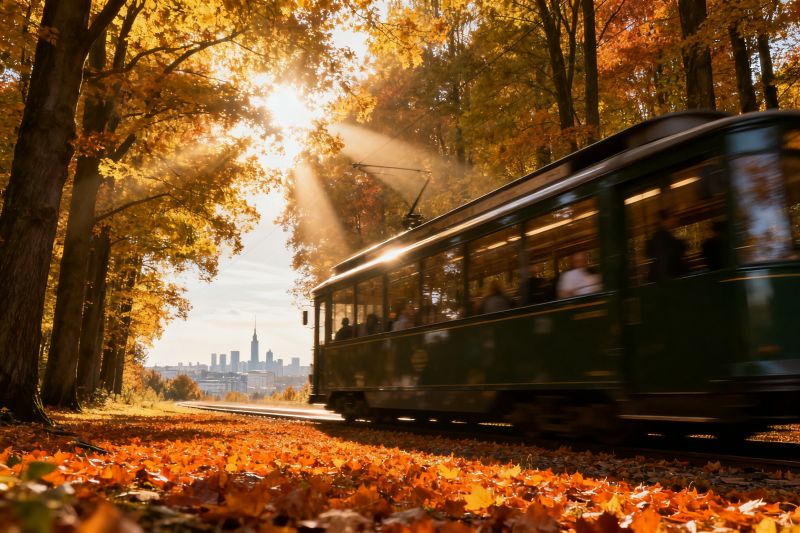
Brussels doesn't hand you its secrets on a postcard. The Belgian capital greets you with grand squares and gilded facades。but the real texture of the city lives in its messy, layered neighborhoods. On my first visit, I wasted two days hopping between the Grand-Place and the EU quarter, snapping photos and feeling oddly detached. The turning point came when a local friend dragged me to a Friday morning market in Anderlecht. We bought stale bread for the ducks, argued about the best frites stand, and ended up sharing a table with a retired tram driver who insisted that the Belgian capital's soul is in its communes, not its monuments. That afternoon changed everything.Start with the basics: Brussels is bilingual, and that's not just a bureaucratic detail. French and Dutch signage coexist, but English is your safety net in tourist zones. Learn a few phrases—'bonjour' and 'dank u' go a long way, even if you mangle the pronunciation. For transport。skip the hop-on-hop-off bus. The STIB/MIVB network is efficient and cheap;a 24-hour pass costs about €7.50 and covers trams, buses, and metro. I once rode the number 44 tram from Montgomery to Tervuren purely for the view—it cuts through the Sonian Forest, a beech woodland that feels miles from any Belgian capital hustle. That ride cost me nothing extra and remains my favorite budget activity.Food in the Belgian capital is a contact sport. Avoid the rue des Bouchers—the restaurant touts there will lure you into mediocre mussels. Instead, head to Sainte-Catherine for fresh seafood, or grab a cone of frites from a frietkot and eat them on a bench near Place Flagey. I keep a mental list of three reliable spots: Fin de Siècle for stoofvlees (beer-braised beef), Noordzee for shrimp croquettes。and any neighborhood bakery for a morning pistolei. One warning: waffles are a snack, not a meal. The Liege-style ones are dense and pearl-sugar sweet;the Brussels-style are lighter and rectangular. Try both, then pick a side. I'm team Liege, but that's a debate for another day.
Museums can blur together, so choose deliberately. The Musical Instruments Museum (MIM) is a gem—not just for its collection but for the rooftop view over the Belgian capital. I spent an hour there with a coffee, watching the city's mismatched skyline: medieval towers, art nouveau townhouses。and glass EU boxes. For contemporary art, WIELS in Forest is worth the tram ride;the converted brewery building has a raw energy that the central museums lack. And if you're in town on a Sunday, the Place du Jeu de Balle flea market is chaos in the best way. I bought a rusty enamel sign for €5 and a story about a 1970s boxing match that may or may not have happened. That's the Belgian capital for you—history and tall tales sold side by side.Getting out of the center is essential. The Belgian capital isn't just the pentagon;
it's a patchwork of villages swallowed by sprawl. Take the metro to Stockel and walk through the quiet streets where Hergé set parts of Tintin. Or head to Laeken, where the Chinese Pavilion and Japanese Tower sit oddly among residential blocks. My go-to decompression spot is the Botanic Garden in Meise—a 30-minute bus ride from the center, with glasshouses that feel like another planet. On a rainy Tuesday, I had the place nearly to myself. That's the trick with the Belgian capital: it rewards those who wander off the itinerary. Carry an umbrella。wear comfortable shoes, and let the city surprise you. It usually does.