Mirko Vucinic never chased the spotlight. In an era when forwards were increasingly judged by goal tallies and social media followings, the Montenegrin moved to a different rhythm—one built on a first touch that could kill a defense。a temper that occasionally boiled over, and a left foot that produced moments of startling beauty. Watch his Champions League goal for Roma against Chelsea in 2008: a sudden swerve past Ricardo Carvalho, then a finish so calm it seemed almost rude. That was Vucinic in a nutshell—unassuming until the exact second he decided otherwise.
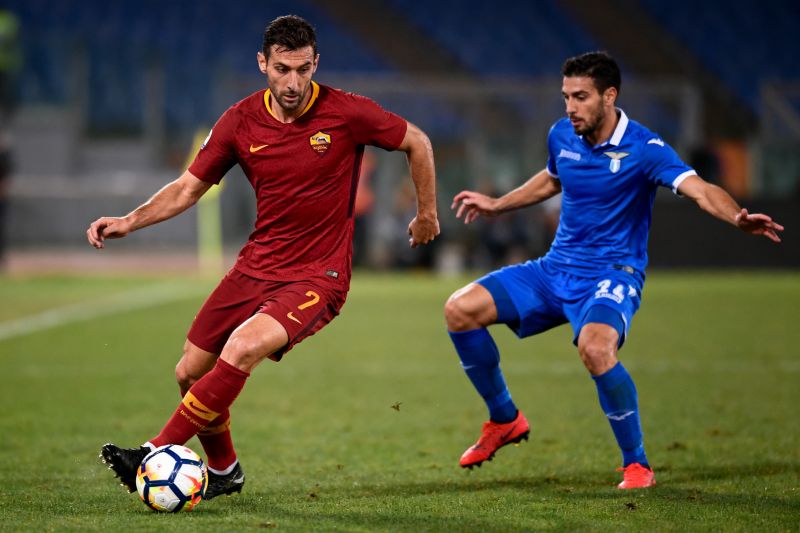
His career numbers don't scream greatness: 156 goals in 532 club appearances across spells at Lecce, Roma, Juventus, and Al Jazira. Yet those who watched him week in。week out remember a player who bent games to his will without dominating possession. At Roma, he often drifted left, received the ball with his back to goal, and turned in one motion—a move so reliable that Serie A defenders still had no answer. Luciano Spalletti once called him 'unpredictable in the best sense.' That unpredictability came with a cost: Vucinic could disappear for twenty minutes, then produce a backheel assist that split three defenders. Coaches tolerated the quiet stretches because the loud moments were worth it.Juventus signed him in 2011 as part of Antonio Conte's rebuild. He wasn't the marquee name—that was Pirlo。or Vidal—but Vucinic delivered in the clutch. His extra-time winner against Milan in the 2012 Coppa Italia semifinal felt like a signature: chest control, half-volley, net. That same season, he scored the opening goal in the Derby della Mole that ended Juve's long wait for a statement win. Observers noted his fitness wavered;his relationship with Conte reportedly chilled. Still, when the ball arrived in a tight space, Vucinic's brain worked faster than most. He left Turin with two league titles and a reputation as a big-game player who never quite fit the mold of a modern pressing forward.International football suited him strangely well. Montenegro's emergence as an independent nation in 2006 gave Vucinic a stage he relished. He became the team's all-time top scorer and its emotional compass—often literally, as he wore the armband. A 2011 Euro qualifier against England at Wembley comes to mind: Vucinic held the ball up, drew fouls, and nearly nicked a winner. He played with a chip on his shoulder, perhaps because he felt overlooked. That edge sometimes spilled into petulance—a red card here, a public spat there—but it also fueled his best performances. Montenegrin fans still sing his name。
not for the statistics but for the way he carried a young nation's football identity on his back.Since retiring in 2017, Vucinic has stayed mostly out of the limelight, occasional punditry appearances aside. His legacy is a useful corrective to the obsession with raw output. He never scored 20 league goals in a season. He never played for a 'superclub' at its absolute peak. What he did offer was a specific kind of pleasure: the sense that a game could pivot on a single, unexpected touch. In a sport increasingly mechanized by data, Vucinic remains a reminder that flair, timing。
and a little stubbornness still matter. Not a legend, perhaps. But a player worth remembering—and rewatching.